
George Garcia
Executive Vice President Human Resources
Areas, United States
HR: Master Business Language, Drive ROI, Become a Strategic Partner
Thesis
“HR must transcend its administrative function to become a strategic business partner by deeply understanding company financials and operations, speaking the business language, and consistently demonstrating ROI, while steadfastly championing the human element.”
What you'll take away
- 01HR leaders must speak the language of the business, focusing on financial metrics and ROI, to gain a respected seat at the executive table.
- 02Bridging multi-generational communication gaps requires HR to foster understanding, promote interaction (e.g., mentorship programs), and acknowledge diverse communication styles and expectations.
- 03To establish influence and credibility, HR must deeply understand the company's P&Ls, business model, and the challenges faced by employees at all levels, moving beyond an 'ivory tower' perspective.
- 04Strategic HR contributions involve linking initiatives like employee happiness or training directly to measurable business outcomes such as reduced turnover, increased sales, or improved operational efficiency.
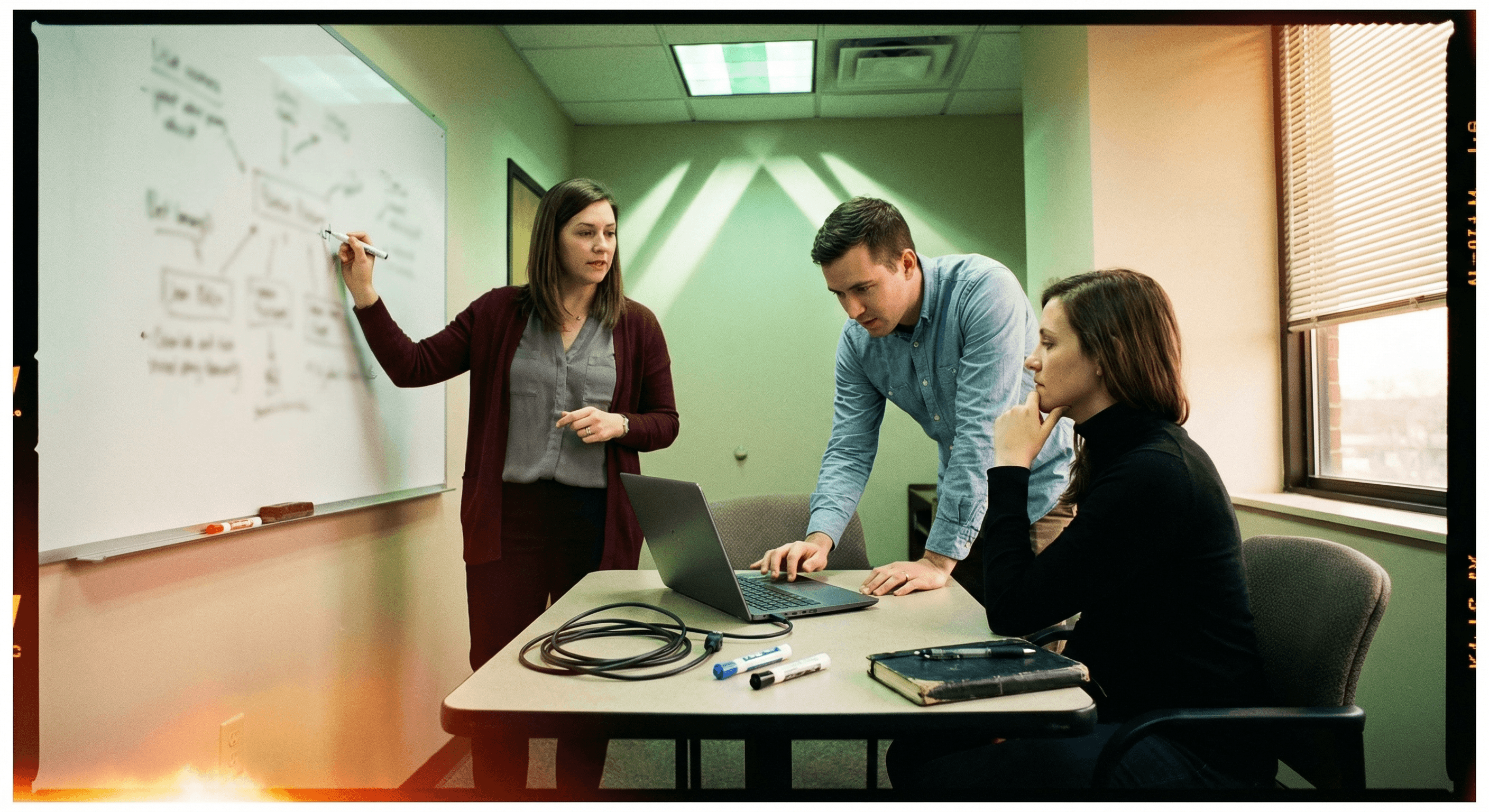

What most organizations get wrong
- HR owns a seat at the table when HR becomes part of the business and speaks the business. When we are just payroll or benefit or the policy wonks in the room, I think that's when we lose our seat.
In George's words
“Honestly, my career journey in HR kind of started non-traditionally. I didn't, I always tell people that this is not where I expected to be.”
Highlights an unconventional path into HR, emphasizing that diverse backgrounds can lead to leadership roles.
“The biggest challenges that we face is really bridging that gap. And HR has to work with the different groups to be able to get them to communicate and understand. That there's no wrong or right in the form of communication. It's just each individual group has their own style and we all have to just give a little.”
Articulates the core challenge of multi-generational workforces and HR's central role in facilitating effective communication.
“HR owns a seat at the table when HR becomes part of the business and speaks the business. When we are just payroll or benefit or the policy wonks in the room, I think that's when we lose our seat.”
Clearly states the conditions under which HR gains strategic influence, contrasting it with a purely administrative role.
“You, we need to view ourselves as operators. We are operators in whatever industry that we're in.”
Reframes the HR professional's identity to emphasize deep business integration and operational understanding.
“Our role is really about contributing to the bottom line of an organization, but at the same time, keeping that people-centric focus, because that's what our role is. Our role as HR is people.”
Encapsulates the dual mandate of modern HR: balancing business results with employee well-being.
The problems this episode addresses
- Organizations struggle with effective communication and cooperation across multi-generational workforces (Gen Z, Millennials, Boomers) due to differing styles, expectations, and technology divides.
- HR often struggles to gain a respected, strategic seat at the executive table, frequently being perceived merely as an administrative function (e.g., payroll, benefits, policy).
- Lack of HR visibility and understanding of ground-level operations often leads to the creation of ineffective policies and programs that do not align with business realities or employee needs.
- HR leaders face challenges in clearly demonstrating the tangible ROI and financial impact of people-centric initiatives like employee happiness or training programs to leadership.
In this episode
Built by People podcast features insights from world's top HR leaders
Built by People
Your career journey in HR started non-traditionally
How Did You Start Your Career?
All these generations are working in the same workforce now
How Multi-Generational Workforces are Affecting the Workforce
What role does HR play in bridging generational gaps and fostering collaboration
What Role Does HR Play in Bridging Gen-X and Bo
HR needs to become part of the business and speak the language of operations
George: HR's Place in the Business
HR strategies can help HR leaders establish influence and credibility within their organizations
Establishing HR Influence and Credible
George, what parting advice would you like to share with our community
George On People, Talent & Culture
Topics covered
Organizations and entities mentioned
Full transcript
Expand transcript (0 words)
Transcript is not available yet.